
Local SEO Beyond Google Maps: Where NZ Customers Find You
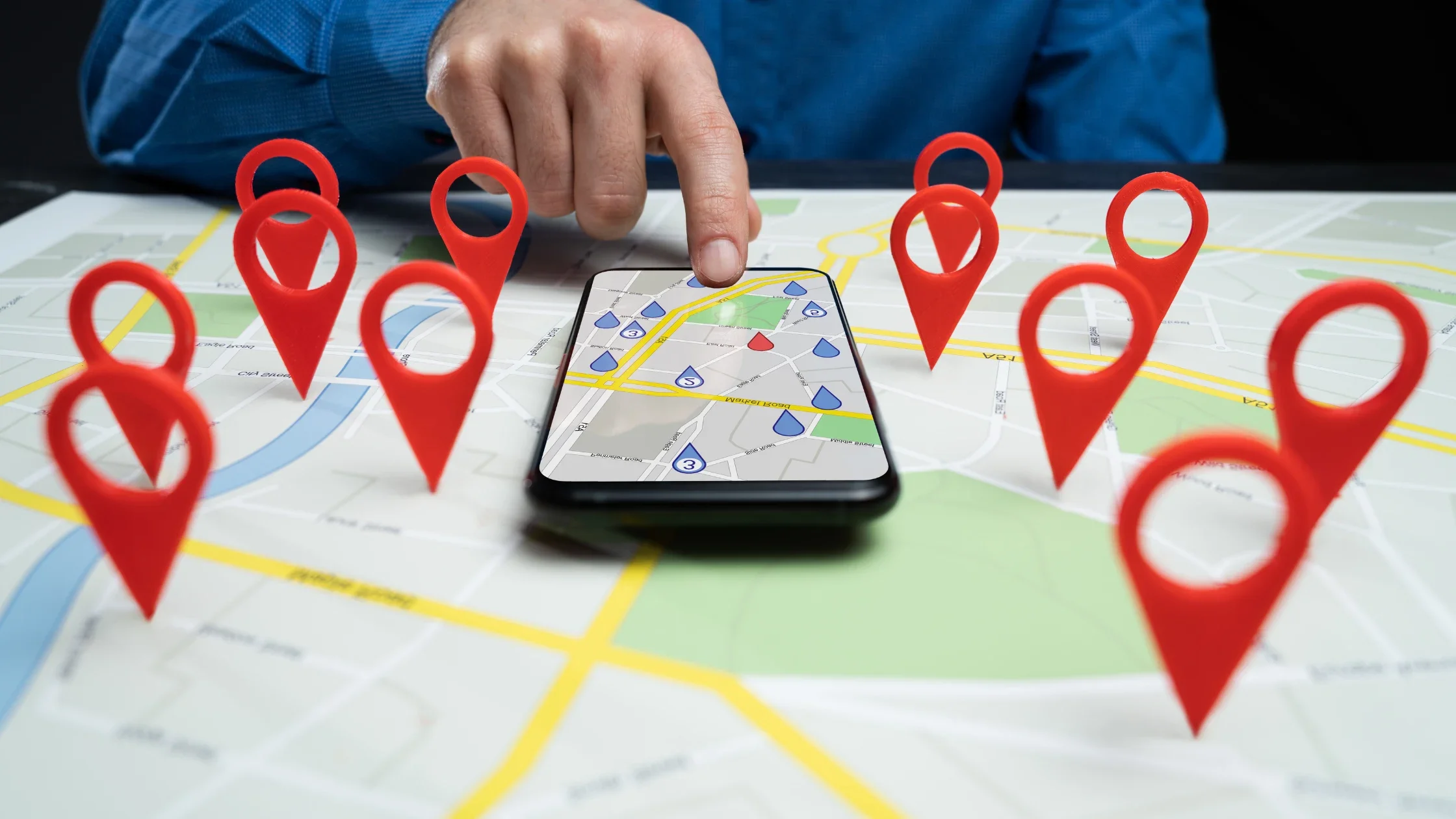
Picture this: You need a plumber in Nelson or a designer in Auckland. Where do you start? Google Maps might be your first stop, but it's your last. You'll check their Facebook reviews, search for them on local directories, or spot a project they've shared on Instagram.
In New Zealand, getting into the "Map Pack" (those top three results on Google) is great, but it's not the only thing that counts. If you care about that small map, you're not reaching a big group of Kiwis who want what you sell. True local SEO involves being in all the places your customers spend time. It's about creating such a strong online presence that customers find you, trust you, and pick you no matter where they look.
Key Takeaways
Look Beyond the Map: Google Maps is just one part of the local SEO picture.
Keep It Consistent: Make sure your business info matches across all directories.
Build Trust: Use customer feedback and social proof to boost your EEAT.
Search on Social: Tweak your social media profiles for local search terms.
Spread Your Wings: A broad online presence makes you stand out to New Zealanders.
The Hidden World: Why Maps Aren't Everything
When people talk about being "found ," they often picture that red pin on a map. While that's key, Kiwi shoppers are sharp. We enjoy doing our research. We search for "social proof"—signs that you live up to your claims. This unfolds in a "search ecosystem."
This ecosystem has niche directories, social media platforms, and high-authority review sites. If your business appears on the map but shows a blank Facebook page and lacks mentions on local Kiwi business listings, customers might think twice. They seek a consistent narrative. By expanding beyond the map, you don't just get clicks; you build EEAT (Experience, Expertise, Authoritativeness, and Trustworthiness). You show New Zealand that you're a genuine expert with deep knowledge of the local market.
Where Kiwis Are Looking
To dominate the local market, you need to grasp the different layers of search. Here's how the ecosystem works outside of Google Maps:
1. Trusted Local Directories and Citations
Sites like Yellow, Finda, and even Neighborly serve as digital "word of mouth." When you list your business across these platforms, you send a signal to search engines that you're a real local business. It's not just about the link; it's about being consistent. Your name, address, and phone number (NAP) should be the same everywhere. This helps build the "Trustworthiness" part of the EEAT formula.
2. The Power of Niche Review Sites
Google reviews are valuable, but don't overlook industry-specific websites. For creative services or trade industries, appearing on platforms that rank for specific keywords can attract motivated visitors. People browsing these sites often have progressed further in their purchasing process—they aren't just looking around; they want to hire someone now.
3. Social Media as a Search Engine
More and more Kiwis use Instagram and TikTok to search. If someone looks up "brand design NZ" on Instagram, will your work show up? Social profiles often appear on Google's first page when searching for your business name. An active professional social presence shows your "Experience" and "Expertise" , which a map listing can't do.
Fixing the "Hidden Business" Issue
Many skilled NZ business owners feel unseen despite having a great website. The issue often stems from a "scattered" online presence. You might have an excellent site but no local mentions, or a lively Facebook page but an unoptimized Google profile.
At Wild Sea Creative, we help close this gap. We examine your digital presence as a whole. Instead of just trying to "rank," we aim to make your business the clear choice in your area. By fine-tuning your entire online ecosystem, we tackle the problem of poor-quality leads and help you draw in customers who appreciate your know-how. This strategy doesn't just boost your SEO; it builds a brand that Kiwis know and trust.
Ready to Boost Your Local Visibility?
Depending on just one map listing can be dangerous. The online scene in New Zealand keeps changing, and your business needs to show up where people are talking. Whether you choose to develop a custom Google SEO Strategy or completely revamp your digital marketing, taking steps now will give you an edge over rivals who still focus on the map.
Let's ensure that when Kiwi customers search for you, they discover a professional, credible, and reliable brand. Get in touch with Wild Sea Creative today to begin creating a local SEO plan that delivers results.
Frequently Asked Question (FAQs)
-
Google Maps displays your physical location and basic contact information, while the wider search ecosystem includes directories, social media, and review sites. The map helps people find your shop, but the wider ecosystem builds trust and authority. It shows customers your past work, what others think of you, and your active presence in the community. This has an impact on winning over NZ shoppers who do a lot of research before buying.
-
Local directories like Yellow or Finda help Google to verify your business's existence and activity in New Zealand. These "citations" work as votes of confidence. When you maintain consistent information across multiple sites, it has an impact on boosting your Google search rankings because the algorithm trusts your data more. For customers, these sites often serve as platforms to compare prices and read in-depth reviews before they make their final choice.
-
Social media profiles often pop up on the first page of Google results when someone looks up your business. Having lively profiles on Instagram or Facebook shows that your business is thriving. New Zealanders often turn to social media to see "real" photos of your work or products. This helps build the "Experience" part of EEAT making you come across as an expert in your field compared to rivals with no social presence.
-
The key directories include Yellow.co.nz, Finda.co.nz, and Hotfrog. Also, industry-specific sites or local community boards like Neighborly work well. Getting listed on these sites helps you get traffic from people who don't use Google directly. It also gives your website high-quality backlinks, which boosts your overall search engine authority and helps you rank higher for competitive local keywords.
-
You can boost trust by getting real customer reviews and answering them well. showing your NZ address and local phone number on your website also helps. Adding "About Us" pages that showcase your team's skills and qualifications tells Google and your customers that you're a real expert. Trust matters most when turning someone who's just looking into a paying customer in the NZ market.
-
Yes, a local area code (like 03 for Nelson or 09 for Auckland) tells search engines you're a local provider. This helps your business match up with local search queries. For customers, a local number seems easier to reach and more trustworthy than a generic mobile or toll-free number. It gives the impression you're close by and ready to help, which can boost your click-through rates.
-
You should deal with negative reviews and . Reply in a polite manner, tackle the problem, and suggest a way to fix it. This demonstrates to potential customers that you value quality and customer service. Google appreciates a variety of reviews; a perfect 5.0 score with 100 reviews can sometimes appear fake. A few honest criticisms that you handle well can boost your "Trustworthiness" by showing that you're a genuine open business.
-
Yes, you can. Many businesses that offer services such as photographers or consultants, work without a storefront. You have the option to set up a "service area" in your Google Business Profile. For you, the broader search landscape plays an even more crucial role. This is because you need to show your presence through local project galleries, feedback from clients in your area, and listings in regional directories. These elements help demonstrate that you are active in specific New Zealand towns or cities.
-
NAP stands for Name, Address, and Phone Number. Consistency means this information is the same on your website, Google Maps, Facebook, and every directory. If one site says "Street" and another says "St," it can puzzle search engines. Inconsistent NAP data has a significant impact on why businesses drop in local rankings. Keeping this data accurate helps Google feel sure about showing your business to users.
-
You should try to update your profiles at least once a month. This could mean adding a new photo of a project putting up a post on Google, or giving your social media a refresh. Keeping your profiles active shows search engines that your business is doing well. For New Zealand customers, seeing recent posts or reviews makes them feel confident that if they reach out to you today, they'll get a quick and professional response.
