
The Ultimate Guide to Social Media Planning for 2026
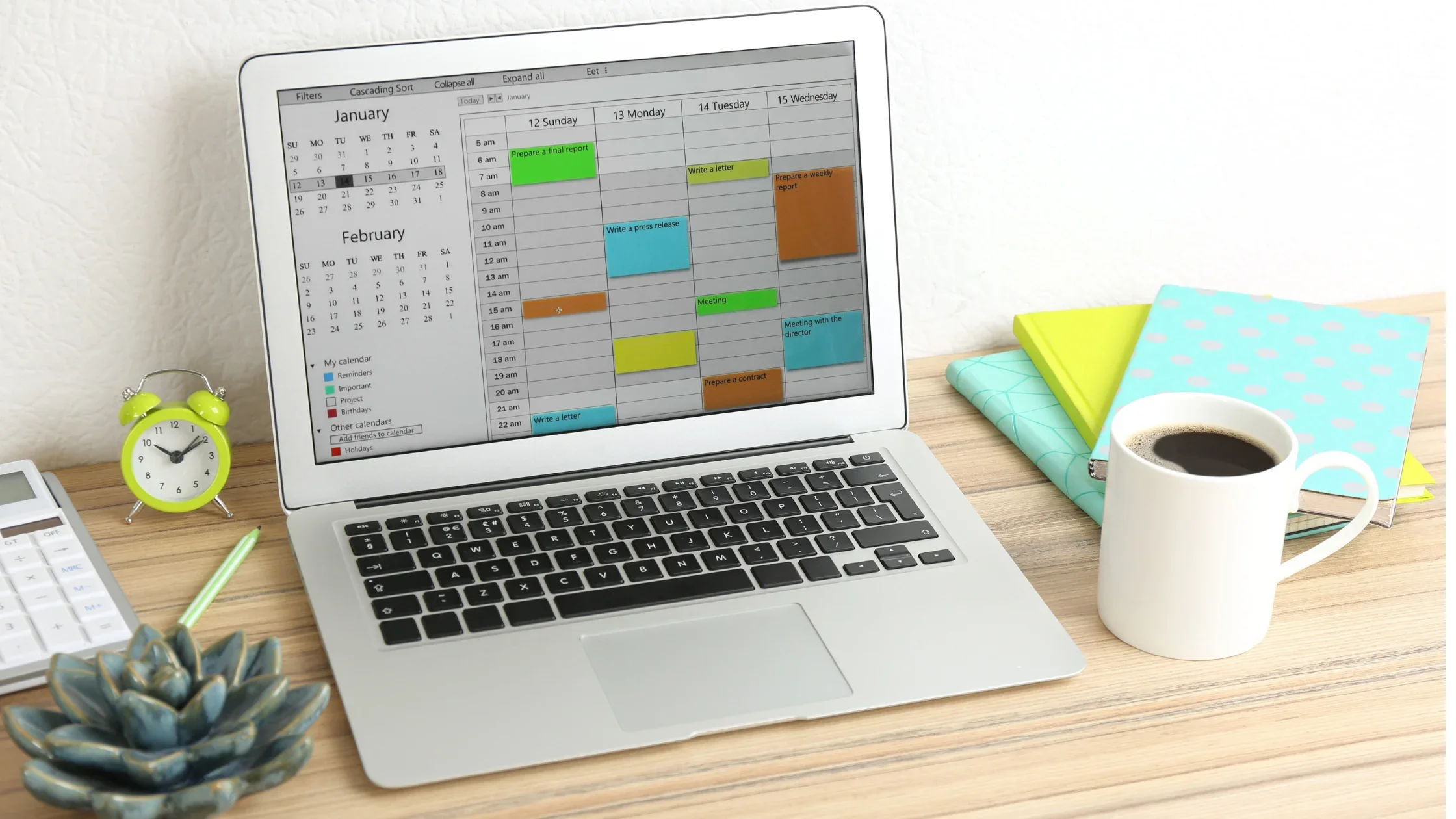
How to Create Content Calendars for the New Year
Picture this: It's January 2026, and your social media channels are buzzing with energy. You're not racking your brain for ideas. Your followers are hooked, your brand's voice stays steady, and each post seems meaningful. Sounds too good to be true? With a well-crafted content calendar, you can turn this dream into reality.
If you're in New Zealand and need top-notch social media management NZ, Wild Sea Creative has guided many businesses to map out their year — moving away from rushed posts and embracing planned storytelling.
This guide will show you how to create a content calendar for the upcoming year — helping you plan more , improve your posts, and boost your growth.
The Importance of a Content Calendar for 2026
A content calendar is more than just a spreadsheet. It's the core of your social media plan. Think of it as your guide: directing what, when, and why you post. Hootsuite says a well-organized calendar helps you line up content with your main strategy, find gaps, and steer clear of last-minute panic.
Without one, you risk posting — or worse, branding . But with a strong calendar, you create consistency, boost quality, and stay flexible. As Sprout Social points out, you can pick the platforms that count most for your audience, set your posting schedule, and balance the types of content you share.
For NZ businesses where online audiences are smart and social trends keep changing, planning ahead is essential. That's where know-how counts — Wild Sea Creative brings local understanding, strategic skills, and real creativity to your content planning.
How to Create a 2026 Social Media Content Calendar (Step by Step)
Here's how you can get your content calendar ready for the new year — using a tried-and-true well-thought-out approach based on know-how, skill, and reliability.
1. Set Your Goals First
Begin with a clear vision. Ask yourself: What do you want to accomplish on social media in 2026? Perhaps you aim to boost website traffic, get more leads, or make your brand more recognizable. Use SMART goals (specific, measurable, achievable, relevant, and time-bound) to guide your planning. These goals will determine what content fits in your calendar and how you'll track your progress.
2. Review Your Current Social Channels
Take a look back before you plan ahead. Do a social media audit: Which platforms are doing well? What's effective (or not)? Which times and types of content get people to engage the most? These insights help you focus on what clicks with your audience, and ditch the rest.
3. Pick Your Platforms & Content Types
Your business doesn't need to be on every platform. Decide which social networks make sense for your audience. Sprout Social suggests matching your content types (videos, posts, stories) to the platforms where your audience hangs out. Then, set up content pillars — for example: educational posts, behind-the-scenes, user stories promotional content. A good mix keeps followers interested and builds your brand story over time.
4. Set Key Dates & Themes
Put the big moments on your calendar. Include national holidays, New Zealand events, industry meetups, product debuts, and company milestones. These important dates serve as content pillars and help your social media stay current and meaningful.
5. Plan Your Planning Horizon
How much should you plan ahead? It varies. Some teams like detailed weekly plans; others prefer monthly or quarterly themes. Many growth experts suggest a mix: plan the next 1-2 weeks in detail, outline themes for 3-4 weeks ahead, and jot down campaign ideas for 1-3 months out. This approach keeps you organized yet adaptable — ready to jump on new trends.
6. Think Up & Create Content Ideas
Get your team together (or tap into your own creativity) and come up with ideas that fit your content themes. Use tools like Miro, Google Sheets, or Asana to work together. Hootsuite's team likes Miro to capture everything from idea starters to comments. Also, think about reusing content. If a video does well on Instagram, could it work as a TikTok or LinkedIn clip?
7. Put It All in the Calendar
Pick a content calendar template — you might go for Google Sheets, Airtable, or Asana. For each spot in your calendar, include:
Date and time
Platform
Post type / pillar
Caption or draft text
Visual assets (or notes on what's needed)
Hashtags, links, and any related notes
Status (e.g., draft ready, approved)
Make your calendar accessible to your team members to ensure everyone stays on the same page.
8. Schedule & Automate
After finalizing your content, use a scheduling tool (like Buffer or Hootsuite) to post . Buffer, for instance, provides both monthly and detailed weekly views — allowing you to mark status, assign tasks, and plan ahead. Automation gives you more time to come up with new ideas.
9. Keep an Eye on Things & Make Changes
Your content plan isn't set in stone. Watch how your posts do in terms of reach, engagement, clicks, and more. Check your stats often, look for patterns, and use what you learn to update your calendar. Every few months tweak your planning to focus on what's working and cut out what isn't.
How Wild Sea Creative Can Help You Out
If this game plan seems overwhelming — don't stress, that's where Wild Sea Creative comes in. As a seasoned digital agency that specializes in social media management NZ, we'll take this planning work off your plate. We'll team up with you to:
Set clear social aims that match your business goals.
Design a custom content plan for 2026 (and later), suited to your NZ audience.
Produce content that shows your style, clicks with your followers, and brings real outcomes.
Set up the process to run on its own so you're not stuck looking for ideas halfway through the year.
Keep an eye on things and make them better as you go — changing with social trends.
Our track record means you'll save time and build a steady strong brand image that gets people interested.
Want to get your 2026 content calendar sorted? Let's chat. You can get in touch through our contact page — or find out more about all our digital marketing offerings.
Conclusion
Making a content calendar for 2026 isn't about sticking to strict rules — it's about creating a flexible smart rhythm that helps your brand grow on purpose. When you mix that plan with local knowledge, creative storytelling, and skilled work, you're all set for social media wins in Aotearoa.
At Wild Sea Creative, we love helping New Zealand businesses succeed online. Whether you're new to social media or want to improve your approach, we're here to support you.
Get in touch today, and we'll create a calendar that makes you stand out.
Frequently Asked Question (FAQs)
-
A content calendar is a planning tool that shows what you intend to post when, and on which social platforms. It includes details like post text, images, hashtags, and status.
-
A content calendar helps you get your ducks in a row, tie your content to what your business wants to achieve, keep your posts steady, and take the edge off rushing to post at the last second.
-
The pros say you should nail down the details for 1–2 weeks, sketch out topics for 3–4 weeks, and rough out big ideas for campaigns 1–3 months down the road.
-
Pick based on where your crowd hangs out most and where your stuff shines — like LinkedIn to show off your smarts to other businesses, or Instagram and TikTok to tell stories with pictures and videos.
-
When something does well (like a video or post), use it on other platforms — maybe as a short clip, carousel, or blog snippet.
